
New beginnings.
Every year on December 31, my family would gather around the television in the living room shortly before midnight to watch the ball drop in Times Square. We would pop bottles of sparkling grape juice and cheer in the New Year. I remember a sense that something was supposed to be different–I always expected to feel a change in the air the next morning. But besides accidentally writing the wrong date at the top of my homework assignments for a couple of weeks after January 1, things seemed to go on as they were before. A sense of expectation always ballooned between December 25 and January 1. And then it was business as usual. The most meaningful measure of time in my life was the cycle of the school year–summer break, spring break, fall break, Christmas break–and in between, marathon weeks of lectures, essays, and tests.
And then, in college, I discovered the Church Calendar. I began attending a liturgical church, and went through my first season of Lent. I was horrible at fasting, but my priest told me that was kind of the point. I was supposed to confront my own weakness and put it in perspective of Jesus’ journey of obedience to the Cross. The disruption of time experienced during Lent–the extra consciousness trained toward the things that were usually mindless and comfortable–pointed me away from myself and toward God. And then, on Good Friday, the days of preparation and prayer had tuned my heart to meditate on the gravity of the Crucifixion. I remember the long vigil on Saturday, when members of the church took turns reading from the psalms around a tomb that we had built in the middle of the sanctuary, covered with flowers and containing the icon of Christ. This went on all day until the late evening. Then, we processed around the building with candles, singing solemn hymns. I could sense the sorrow of the disciples, gathered together, wondering how they would possibly move on without their rabbi–the promised Messiah.
Suddenly, towards midnight, the tone of the hymns and the words of the prayers began to change–from mourning to joy: “Christ is risen from the dead, trampling down death by death, and upon those in the grave bestowing life!” We returned to the sanctuary, and the icon of Christ was removed from the tomb. I got a glimpse of how Mary Magdalene must have felt meeting Jesus in the Garden. The service ended with everyone presenting Easter Baskets filled with all of the things they had been fasting from. Early in the morning, exhausted, but elated, we feasted.
On that Easter day, I knew that everything had changed. Jesus had risen from the dead 2000 years ago–Jesus had risen from the dead that morning. His resurrection reality was fresh and vital and joyful.
Jesus, the author of time, has invaded time. For most of my life, I have seen time as something I can control, or something that controls me. But the Incarnation is a reminder that God is telling a grand story. The ordinary seconds, minutes, and hours of each day are caught up in a metanarrative that began before the foundation of the world. In the middle of this epic story is the empty tomb. In the meantime, we are waiting for the day of His return.
The Church calendar began to teach me that time belongs to God. And I really need that lesson taught to me over and over again. It is so easy to be lulled to numbness by the everyday cycles of working, eating, and sleeping. Fasting, feasting, commemorating, journeying through the Scriptures and the lives of the saints–these are all tools that help us “know the time, that the hour has come for [us] to wake from sleep.” (Romans 13:11)
One of my favorite things about the liturgical calendar observed by the Anglican Church is the stretch of months between Christmas and Lent, and again between Pentecost and Advent, known as Ordinary Time. This period takes up over half of the church year. There are no major fasts or feasts during Ordinary Time. We are suspended in a state of anticipation, lived out in the day to day realities of our normal lives. And this is how God’s people have lived from generation to generation–waiting with hope for God to deliver on his promises. The color associated with Ordinary Time is green–the color of growth, hope, and life. In Ordinary Time, we live our lives in the world guided by the Spirit, waiting for the day of Christ’s return.
The Church calendar reminds us that we are part of a bigger story. It is a cycle of seasons that points us continually forward as we wait with anticipation for what God will do next. And here we are at another Advent–at the beginning of the story, and the beginning of the Church year. It’s preparation for a new day, when “the light from on high will dawn” upon God’s people.
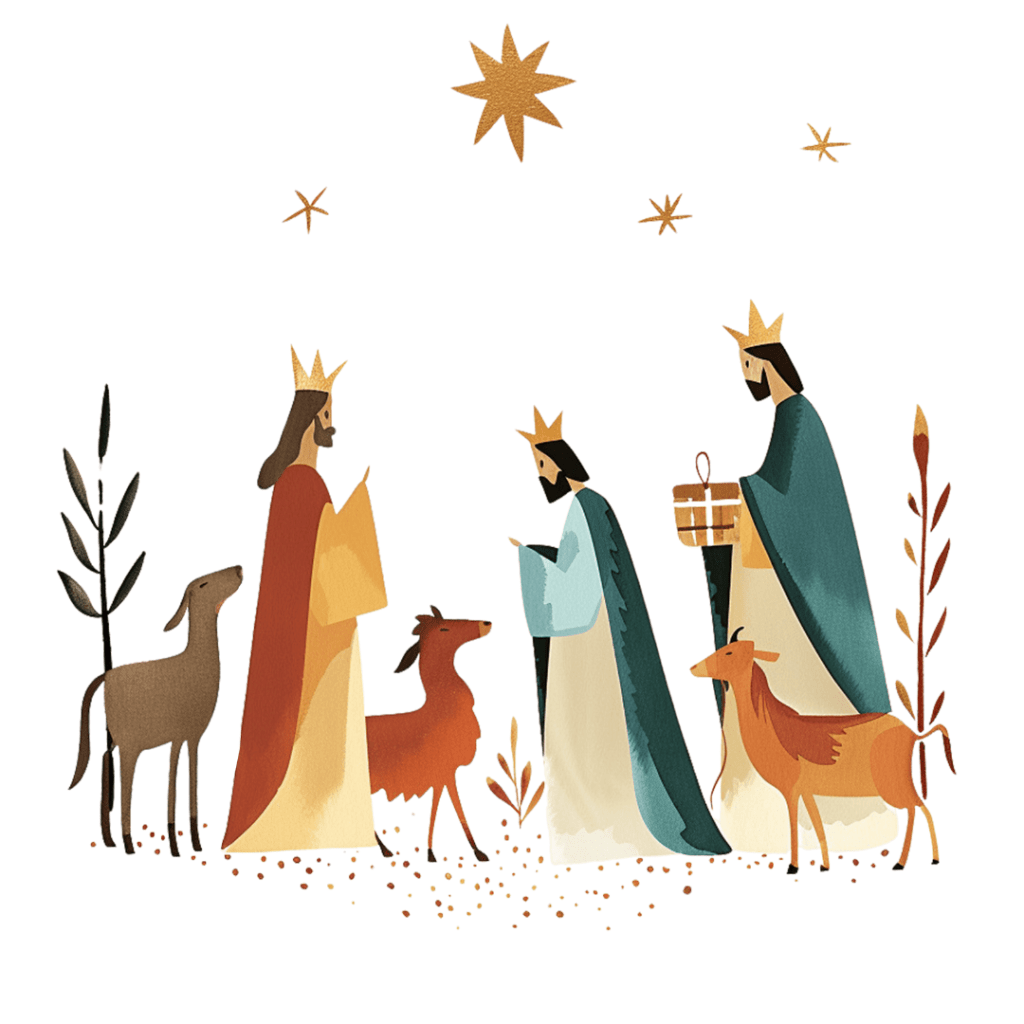
It is a new year–a time of new beginnings. Advent leads us, with the Wise Men, to kneel at the manger. We look with wonder upon the Son of Man, the new Adam, born to redeem His people and usher in a new way of Peace. For us at Mission Red Bank, Advent means walking through a new year of feasts and fasts together. It means gathering in Ordinary Time to look forward with hope, carrying one another’s burdens and rejoicing in life’s celebrations.
It’s in the spirit of this season of new beginnings that we are refreshing the MRB Blog, now titled Etcetera. This is a space where we can share encouragement, resources, and meditations to guide our common life together. We hope that it will be a space to spotlight the many ways our community is belonging, growing, serving, and going together. We hope that it will be a space to highlight the artists, writers, teachers, builders, chefs, parents, and servants in our community–the hands and feet of Christ in our city.
Ryan Dixon, MRB Pastor


Leave a Reply